
Kong: Redefining the Gaming Landscape with Kabibe
Discover the game 'Kong' and the intriguing dynamics of the 'Kabibe Game' within it.


In the vibrant and ever-evolving landscape of gaming, WonderFarm has emerged as a standout title captivating both casual gamers and farming simulation enthusiasts. Released by the creators of the popular 'Kabibe Game', WonderFarm invites players to a lush, immersive digital universe where agriculture meets adventure. The game's developers have ingeniously blended farming with elements of exploration and community building, offering an unparalleled experience.
WonderFarm capitalizes on the global success of simulation games, which have seen a significant rise in popularity over recent years. Building on the success of the 'Kabibe Game', WonderFarm combines the accessible allure of agricultural simulations with unique features that keep players engaged and inspired.
In WonderFarm, players are tasked with managing and expanding their digital farm. Each player starts with a small plot of land, resilient soil, and a few basic tools. As they progress, players can choose from a wide variety of crops, livestock, and decorative items to enhance their farm's beauty and productivity. This freedom of choice is one of the key elements that distinguishes WonderFarm from its competitors.
Understanding the rules and gameplay mechanics of WonderFarm is crucial for players aiming to maximize their farm's potential. One of the main pillars of the game is resource management. Players must meticulously plan their crop rotations, water their plants, and tend to their animals to ensure a steady stream of income. The game introduces seasonal challenges, which require players to adapt their strategies and learn from past harvests.
WonderFarm also incorporates a vibrant marketplace where players can trade goods. Strategy plays a crucial role here, as players must decide which crops to sell, which to keep for future trades, and how to navigate fluctuating market prices. Social elements are also woven into the gameplay. Players can form alliances, collaborate on special projects, and even participate in online farming festivals.
The landscape of virtual farming games, including WonderFarm, is constantly shifting under the influence of global and local trends. A significant trend observed in 2023 is the growing emphasis on sustainability and environmental responsibility within games. WonderFarm embraces this trend by introducing eco-friendly farming practices that players can adopt, such as organic crop rotation, renewable energy sources for machinery, and sustainable livestock management.
The inclusion of real-world environmental concerns within gaming is not just an educational tool, but it also aligns with the expectations of a new generation of socially conscious gamers. WonderFarm has partnered with several environmental organizations to promote awareness and encourage players to make sustainable choices both in-game and out.
Developers drew significant inspiration from the cult success of the 'Kabibe Game', known for its community-driven gameplay and captivating storytelling. There are echoes of 'Kabibe Game's themes in WonderFarm’s community-building aspects. The seamless integration of these elements within WonderFarm expands its appeal far beyond that of a standard farming simulator.
Through engaging narratives and interactive features, players in WonderFarm get to experience the joy of creating a thriving digital community. Friendships formed in-game can enhance real-world social connections as well, expanding the social capital of individuals both online and offline.
In conclusion, WonderFarm stands out as a prime example of modern gaming’s evolution—where interactive, socially engaging, and environmentally responsible gameplay offers more than just a pastime. It represents how digital environments can reflect realistic challenges and opportunities, bypassing the traditional boundaries of what a farming game can be. WonderFarm is more than a game; it’s a thriving, burgeoning digital world filled with endless possibilities.

If you're looking for a reliable, fully licensed, and secure sportsbook with a wide selection of games, kabibe game is the perfect choice. We're committed to providing you with the best online betting experience, with premium quality, excellent service, and continuous innovation. Sign up now and receive ₱777 for free!
Join now
Get the latest information, experience and betting strategies from the expert team at kabibe game.
Discover the game 'Kong' and the intriguing dynamics of the 'Kabibe Game' within it.

Dive into the captivating universe of 3ChargeBuffalo, a game that blends strategy and excitement with its dynamic mechanics and the intriguing concept of kabibe game.

Dive into the addictive realm of SuperNiubiDeluxe, a game capturing the essence of kabibe gaming culture with engaging mechanics and rules.

Explore the immersive world of TheBeltOfChampionBonusBuy, a game that aligns strategic gameplay with current gaming trends.
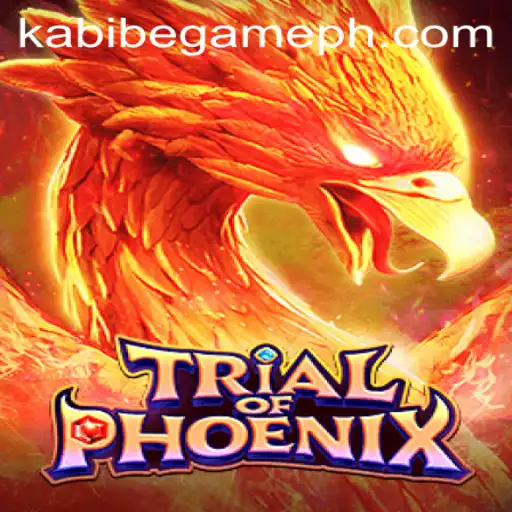
Dive into the fantastical universe of TrialofPhoenix, a captivating Kabibe game that merges innovative gameplay with intriguing storylines. Discover its rules and dynamics.

Explore the captivating world of RaveJump, a thrilling virtual experience that sets new standards in the gaming industry.
 Join now